3-Day Olympic National Park Itinerary: Lake Crescent, the Hoh Rainforest, and Rialto Beach

The Mobile Homie contains affiliate links and is a participant in the Amazon Services LLC Associates Program, as well as other affiliate programs. If you click on a link or make a purchase through one of these links, we may earn a small commission at no extra cost to you. For more details, see our Privacy Policy.
Olympic National Park is one of those rare places where three completely different worlds coexist within a single park, allowing you to walk beneath ancient, glacially carved lakes, wander through a mossy temperate rainforest, and stand on a wild Pacific coast, watching sea stacks vanish into the fog.
JT and I explored Olympic as part of our larger Pacific Northwest road trip, and it has quickly become one of our favorites, as it’s genuinely one of the country’s most diverse national parks.
The park is vast (nearly a million acres), so with a long weekend, you need a practical Olympic National Park itinerary, especially if you’re a first-timer visiting in the summer months (accommodations sell out fast!).
Our three-day plan covers the highlights, including what to pack (the weather changes quickly here), where to stay, what to do, and other essential tips to know before you visit.
Whether you’re starting in Seattle, crossing on the ferry, or heading in from the coast, here’s exactly how to spend three days exploring Lake Crescent, the Hoh Rainforest, and Rialto Beach without racing from one location to another.
What is the Olympic National Park?
Olympic National Park sits on the Olympic Peninsula in the far northwest corner of Washington State, about 3 to 4 hours from Seattle.
It is one of the most ecologically diverse national parks in the United States.
What makes it so unusual is that it contains three completely distinct ecosystems within a single park boundary.
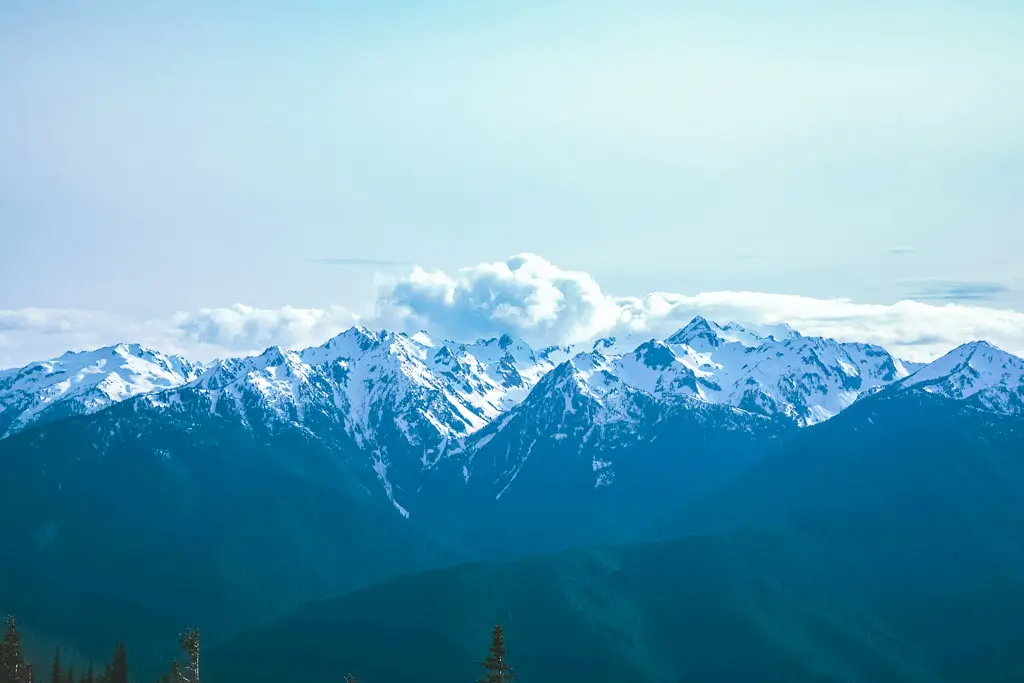
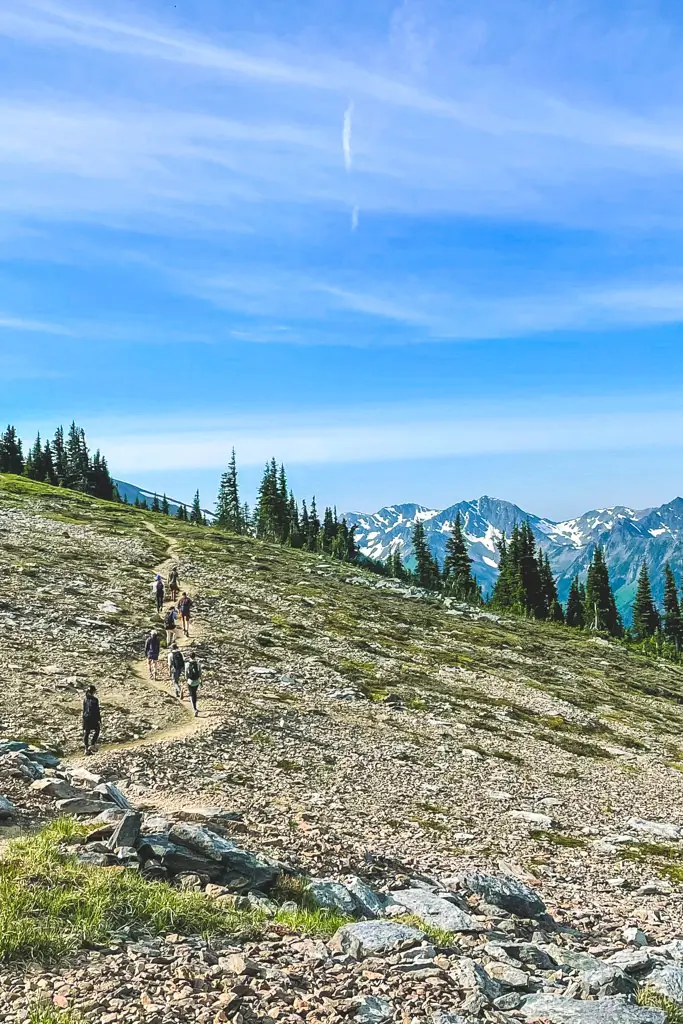
The glacier-capped Olympic Mountains rise in the center, surrounded by one of the only temperate rainforests in the country on the west side. To the north, glacially carved lakes like Lake Crescent fill deep valleys beneath dramatic ridgelines. And along the western edge, more than 70 miles of wild, undeveloped Pacific coastline stretch from beach to sea stack to tide pool.
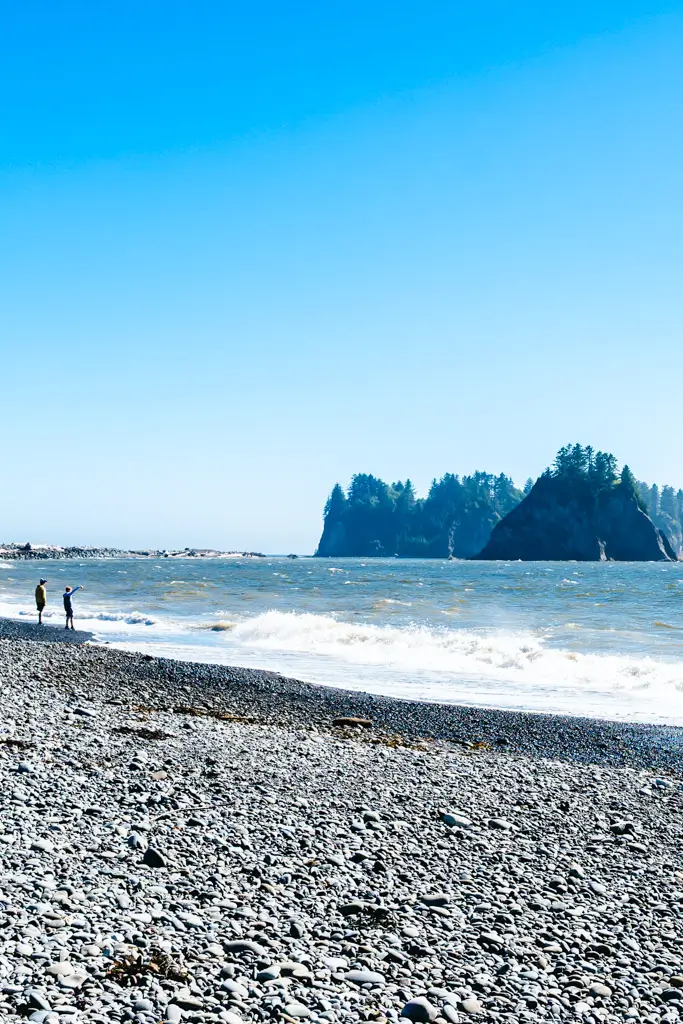
The park was designated a UNESCO World Heritage Site in 1981 and a Biosphere Reserve, in recognition of its exceptional biodiversity. It’s also the #9 most-visited national park in the U.S., welcoming approximately 3.5 million recreational visitors in 2025.
It’s home to Roosevelt elk, black bears, mountain goats, bald eagles, and a handful of species found nowhere else on Earth.
Olympic National Park Itinerary for a Long Weekend

Day 1: Hiking & Swimming Around Lake Crescent
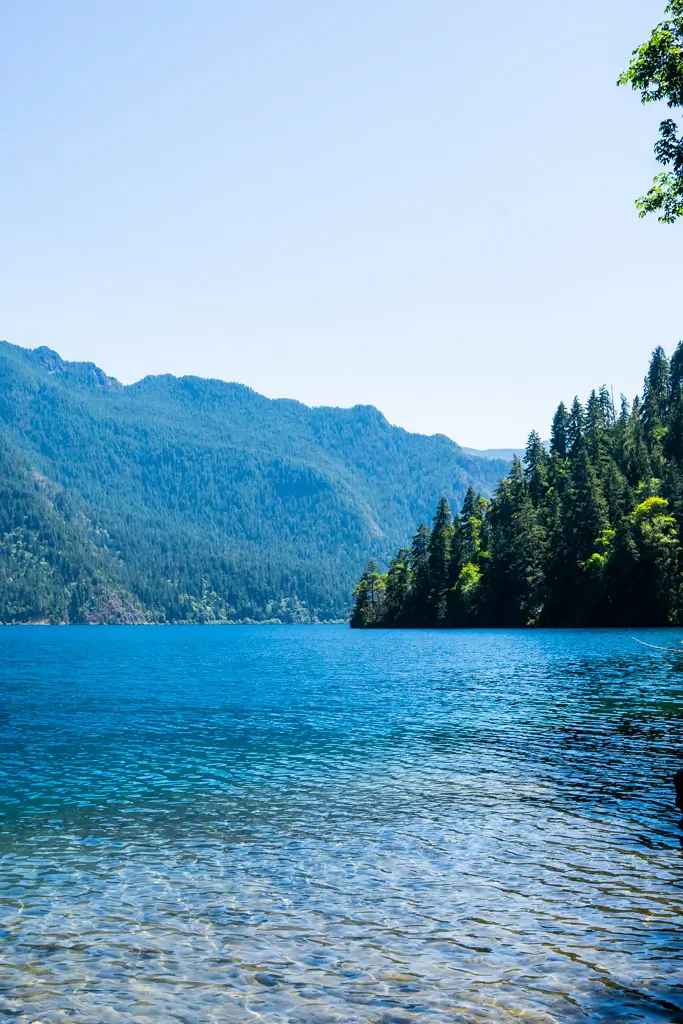
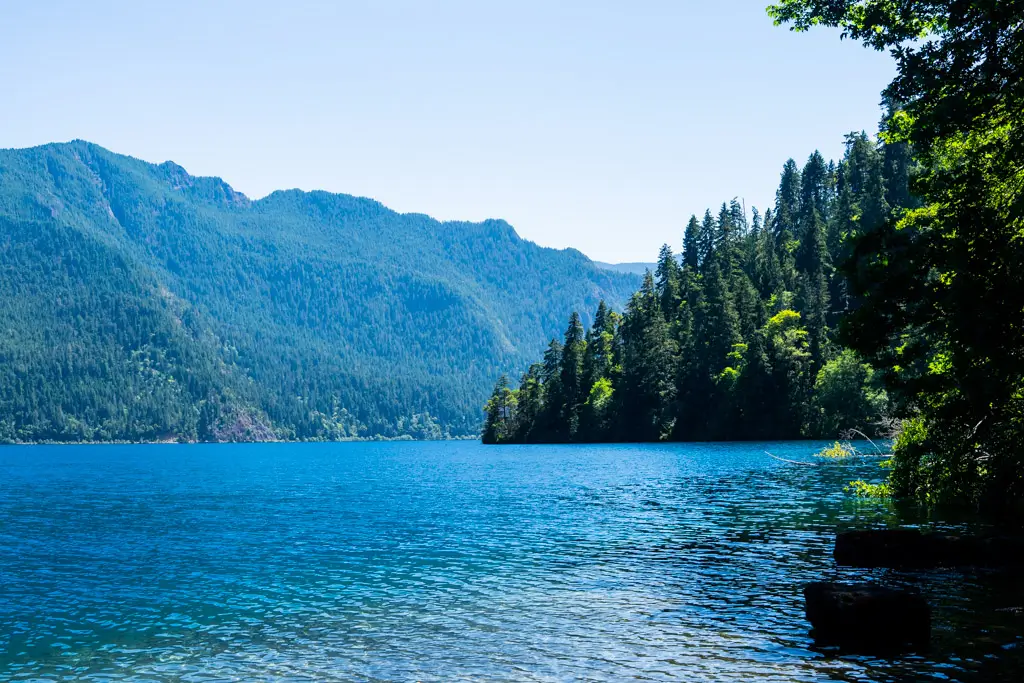
Lake Crescent is one of Olympic’s most stunning yet accessible stops.
Carved by glaciers and impossibly blue, the lake sits in the northern part of the park, about 20 miles west of Port Angeles, making it the ideal base for the first day of this Olympic National Park itinerary.
Getting There
From Seattle, head west on Highway 101.
If you’re taking the ferry, disembark on Bainbridge Island and drive west through Port Angeles.
Lake Crescent will appear on your right as Highway 101 curves along its southern shore.
Marymere Falls Trail
Distance: 1.8 miles round trip | Elevation gain: ~300 ft | Difficulty: Easy | Time: 30 minutes–1 hour
Start your day at the Marymere Falls trailhead, located at the Storm King Ranger Station near the Barnes Point boat launch. The trail is flat at first, passing through towering old-growth firs, maples, and hemlocks draped in moss. A short series of switchbacks with railings then leads up to the falls.
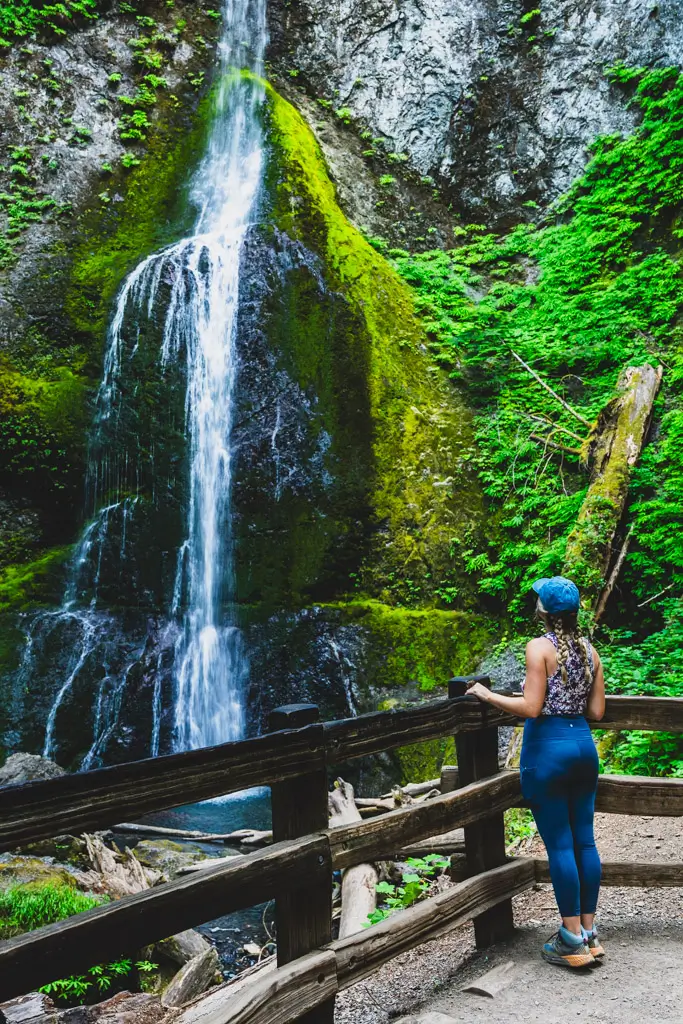
At 90 feet tall, Marymere is the tallest waterfall in Olympic National Park.
The cascade tumbles through a narrow, mossy ravine, and the viewing area at the top of the stairs offers a perfect vantage point. It’s beautiful and accessible to most fitness levels.
Parking tip: The trailhead lot is shared with the boat launch and fills up quickly in summer. Arrive before 9 AM, or park at Lake Crescent Lodge (0.3 miles away) and walk over.
Spruce Railroad Trail & Devil’s Punchbowl
Distance: 2.4 miles round trip to Devil’s Punchbowl | Elevation gain: ~130 ft | Difficulty: Easy | Time: 30 minutes–1 hour
After Marymere Falls, drive around to the north side of Lake Crescent to the Spruce Railroad Trailhead (coordinates: 48.093214, -123.802246), off East Beach Road. GPS is helpful here, as there’s no formal address.
The trail follows a paved, mostly flat path along the lake’s northern shoreline, tracing what was once a railroad bed used to haul Sitka spruce timber during World War I.
About 1.2 miles in, a bridge spans a cove of the lake and leads to Devil’s Punchbowl—a breathtakingly clear teal-blue pool tucked beside the bridge.
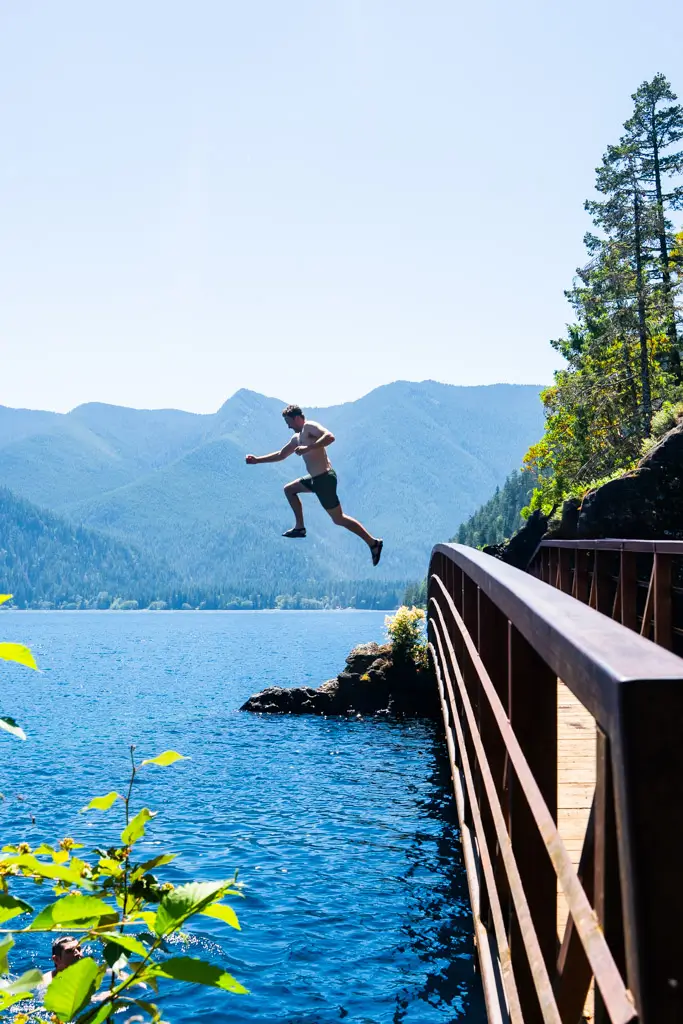
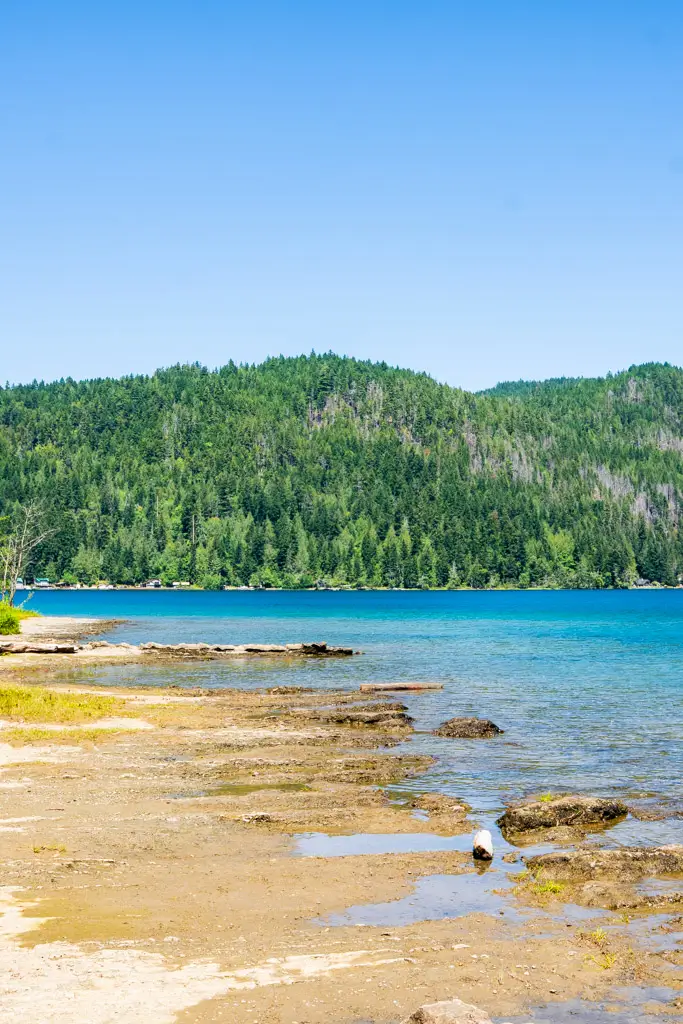
It’s a popular swimming spot in summer (the water is very cold), and the panoramic views of Lake Crescent and its surrounding mountains are outstanding.
Just beyond the punchbowl, you’ll reach the first of two historic train tunnels, adding a fun bit of history to the hike. The trail is also bike- and dog-friendly (on leash), making it great for families.
Safety note: If you’re a good swimmer, I would highly suggest swimming at Devil’s Punchbowl! It is some of the bluest water that I have ever seen and such a great cool-off after hiking!
If you’re not the best swimmer, head over to Lake Crescent Lodge, where there is a public beach you can enter from the shore (it’s a rocky beach, but still nice). You can sit on a towel at the beach, or even put in your paddleboard there!
Sunset at Lake Crescent
End your day 1 evening of this Olympic National Park itinerary at the lake. The reflections of the surrounding ridgelines on the still water at golden hour are unreal.
Head to the Storm King Ranger Station area or East Beach for prime viewing. The East Beach Picnic Area on the south shore is another beautiful, quieter spot.
Paddle Lake Crescent: If the trails leave you energized rather than tired, the afternoon is a great time to get out on the water. Kayaks, canoes, and paddleboards are available for rent at both Lake Crescent Lodge (south shore) and Log Cabin Resort (north shore, near the Spruce Railroad Trailhead).
Where to Stay
Lake Crescent Lodge — The most atmospheric option: a historic 1916 lodge sitting directly on the lake. Rooms book up months in advance for summer; reserve early. Open mid-April through January 1, 2027.
Log Cabin Resort (north shore, near the Spruce Railroad Trailhead) — A more casual option with cabins, glamping, and campsites. Also on the lake and convenient for the next morning.
Fairholme Campground — Nestled along the western end of Lake Crescent, this forested campground offers beautiful lake views. First-come, first-served camping is available from April 25 through May 14. Reservations are required from May 15 through September 29, 2026.
Port Angeles (about 20 minutes east) — A full town with hotels, motels, and restaurants. Good base if you want more amenities.
Note: If you want to base yourself strictly out of hotels (no camping), I would definitely suggest staying in Port Angeles.
One year, we tried to base ourselves on the western side (near Forks), and it was far too much driving! It is still a decent drive from Port Angeles, but it is far better in terms of nearby restaurants, hotels, etc.
Day 2: Hiking Hoh Rain Forest & Exploration of Rialto Beach
Day 2 showcases Olympic National Park at its most dramatic: a world-class temperate rainforest in the morning and one of the wildest beaches on the Pacific Coast in the afternoon.
There’s some driving involved, so plan for about 1.5 hours between the rainforest and Rialto Beach, and depart early.
Morning: Hoh Rain Forest
Getting there: From Lake Crescent, drive west on Highway 101, then turn onto Upper Hoh Road. The drive is beautiful, winding through old-growth forest as it descends into the Hoh River Valley. Allow about 1.5 hours from Lake Crescent.
The Hoh is the largest temperate rainforest in the contiguous United States, receiving up to 140 inches of rainfall annually.
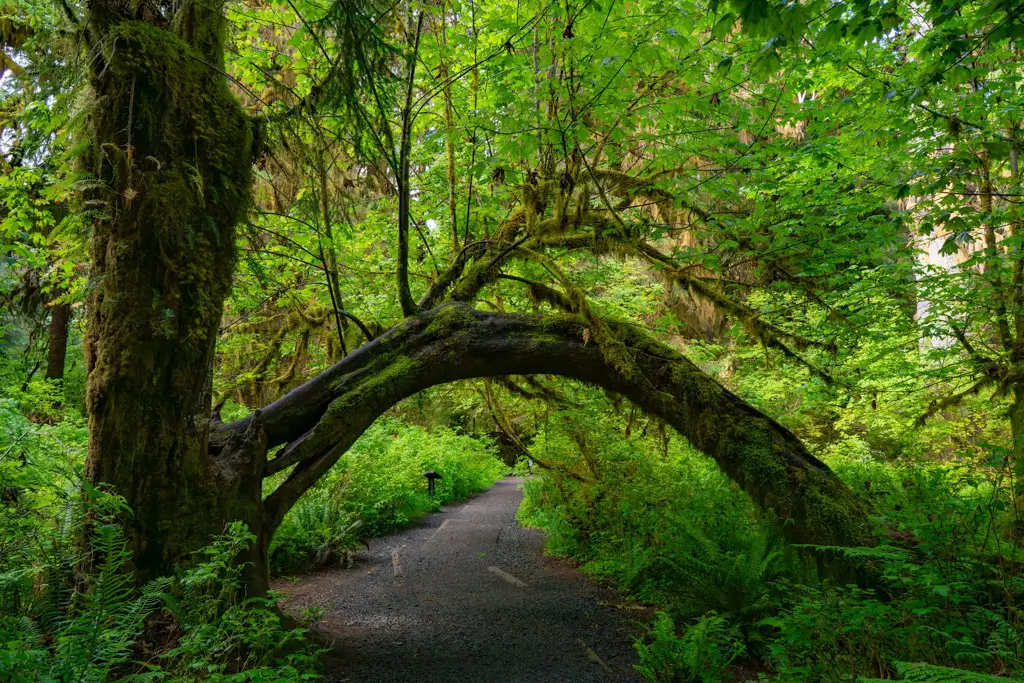
It looks and feels like nowhere else in America, with towering Sitka spruce and western hemlocks filling the valley floor, everything dripping with vivid green moss. Elk graze the meadows, and banana slugs cruise the trail edges. It genuinely feels prehistoric.
Parking: The lot at the Hoh Rainforest Visitor Center fills by 9–10 AM on summer weekends. Arrive early. If it is full, check back, as turnover occurs throughout the day.
Hall of Mosses Trail
Distance: 1.1 miles loop | Elevation gain: ~80 ft | Difficulty: Easy | Time: 30 minutes–1 hour
The Hall of Mosses is Olympic’s most photographed spot, as this short loop winds beneath ancient bigleaf maples with massive curtains of moss hanging from every branch.
In the right light, it glows an almost impossible shade of green. Do this one first because it’s the showstopper. If you get tired later, you won’t have missed it.
Spruce Nature Trail
Distance: 1.4 miles loop | Elevation gain: ~16 ft | Difficulty: Easy | Time: 30 minutes–1 hour
After the Hall of Mosses, continue on the Spruce Nature Trail.
This loop follows Taft Creek and then curves down to the Hoh River, offering views of the wide, braided river and the enormous Sitka spruce trees that give the river its name.
Interpretive signs explain the ecology along the way. It’s quieter than the Hall of Mosses, so if you find the Hall of Mosses too busy, check this one out first.
Make sure to stop at the Hoh River Viewpoint along this trail; it’s a great spot to take a break, breathe in the fresh air, smell the spruces, and see the light glinting across the water.
Afternoon: Stop in Forks, Then Rialto Beach
Drive north from the Hoh back to Highway 101, then follow it north to Forks, a small town about 50 minutes from the Hoh.
Forks is a good stop for fuel and food. Here, you can fill your gas tank, grab lunch, and stock up on snacks. There are several diners and casual spots in town.
From Forks, head west to La Push and Rialto Beach (about 20 minutes).
Rialto Beach sits at the mouth of the Quillayute River, flanked to the south by the Quileute Reservation and to the north by the wild national park coastline.
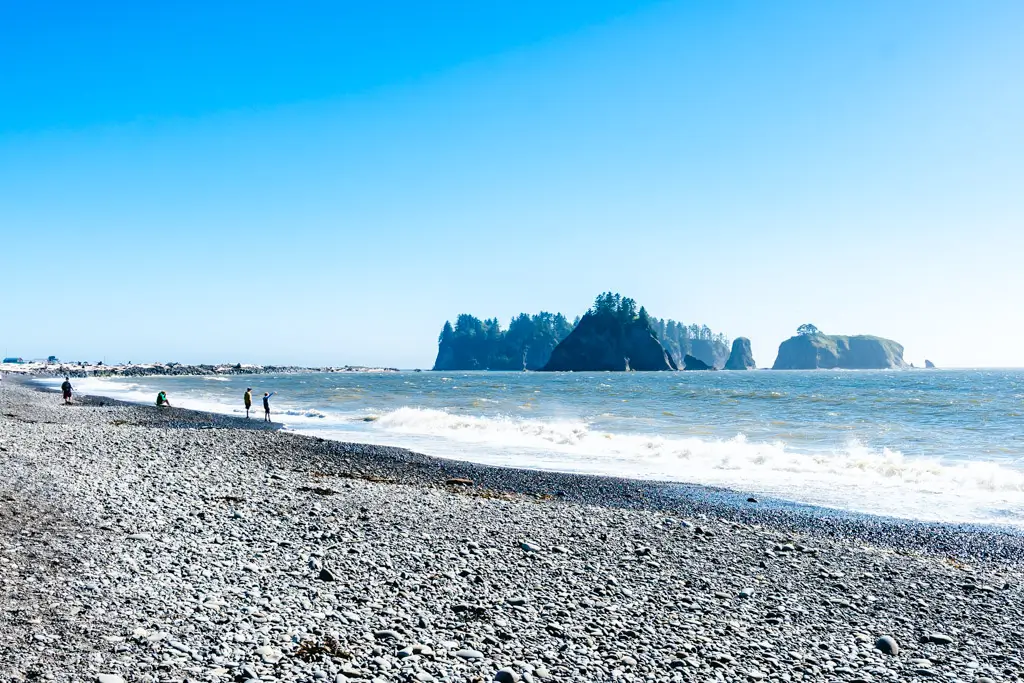
Piles of massive driftwood logs crowd the shoreline, sea stacks tower just offshore, bald eagles perch in the trees, and the Pacific crashes hard onto the dark sand.
It’s one of the most dramatic beaches in the Pacific Northwest, making it a must-see on this Olympic National Park itinerary.
Hole-in-the-Wall
Distance: ~3 miles round trip | Difficulty: Easy–moderate (beach walking) | Time: 1–1.5 hours
From the Rialto Beach parking area, head north along the beachfront.
There’s no trail, so be prepared to walk about 1.5 miles over sand, rocks, and driftwood to reach Hole-in-the-Wall, a rock arch carved through a massive headland.
At low tide, you can walk through the arch and explore the tide pools on the other side, some of the best in the park.
This hike is tide-dependent. Check tide tables before you go, and aim to arrive at the arch around low tide. The section just before the arch requires crossing a rocky headland that’s impassable at high tide. Beach walking is slower than trail hiking, so allow extra time beyond what the mileage suggests.
What to look for: tide pools with sea stars, anemones, and hermit crabs; bald eagles in the trees above the beach; sea stacks with nesting birds; and the occasional whale or sea lion offshore.
Sunset at Rialto Beach
Rialto Beach at sunset is spectacularly beautiful.
The sea stacks’ silhouette against the sky and the moody Pacific energy, made famous by “Twilight” hits in the evening light. Even on cloudy days, the drama of this beach is cinematic.
Ruby Beach is another site you can visit; however, we felt it was pretty similar to Rialto, so we don’t see the point in doubling up two similar locations.
Where to Stay
Forks — The most practical choice, with several motels and restaurants. About 20 minutes from Rialto Beach.
La Push / Quileute Oceanside Resort — Right on the coast, operated by the Quileute Tribe. Cabins and rooms with ocean views, very close to First Beach. Book well in advance.
Mora Campground — National Park Service campground located about a mile from Rialto Beach. Reservable on Recreation.gov. Opens in the spring.
Day 3: Sol Duc Falls & Scenic Viewpoints Along Highway 101
Morning in Forks or La Push before heading out.
Grab breakfast locally, since Forks has a few reliable diners, and hit the road before the day gets away from you.
Sunday traffic leaving the Olympic Peninsula can be slow, especially on summer weekends.
Optional Beach Stop
Before leaving, take a final walk on Rialto Beach or swing down to First Beach in La Push (just south of Rialto on the Quileute Reservation).
First Beach features some of the most dramatic sea-stack scenery on the Olympic coast and is only a short walk from the resort parking area.
Sol Duc Falls
Distance: 1.8 miles round trip | Elevation gain: ~250 ft | Difficulty: Easy | Time: 30 minutes–1 hour
Sol Duc Falls is Olympic’s most photographed waterfall, and it’s one of the most unique waterfalls you’ll find anywhere.
The Sol Duc River plunges into a narrow slot canyon, then splits into three or four chutes at once, creating a powerful, roaring cascade unlike anything at Marymere.
A wooden bridge over the gorge gives you a perfect view.
Getting there: From Forks, drive north on Highway 101 and turn onto Sol Duc Hot Springs Road (just before Lake Crescent). Continue to the end of the road. Sol Duc Hot Springs Road is seasonally closed in winter, so check current conditions before you go.
Along the way, if you have time, Salmon Cascades is a worthwhile pull-off on Sol Duc Hot Springs Road, where the river crashes through a series of boulders. From September through November, you can watch salmon fighting their way upstream.
Note: Dogs are not allowed on the Sol Duc Falls trail.
Want to linger? The Sol Duc Hot Springs Resort sits right on Sol Duc Hot Springs Road, about a mile before the falls trailhead. It offers upscale cabins with access to natural hot spring pools—a perfect way to end an Olympic National Park itinerary.
If you want to make Sunday less rushed, consider booking a night here and driving home Monday morning instead.
Lake Crescent Viewpoints
On your way back east toward Seattle during this Olympic National Park road trip, Highway 101 hugs the southern shore of Lake Crescent for several miles.
There are several scenic pullouts, so don’t rush through this section.
East Beach, the Storm King Ranger Station area, and the La Poel Picnic Area all offer beautiful lake views.
If you’re hungry, stop by Granny’s Cafe on the 101. It has some of the best soft serve and ice cream that we’ve ever had!
We stumbled across it on our first trip to Olympic back in 2024, but now, we can’t pass it without stopping! They also have an ostrich in the back (yes, a real one) that you can say hi to!
Return to Seattle
From Lake Crescent, it’s about 3 hours back to Seattle if you drive straight.
If you’re taking the ferry from Kingston, add that timing to your plan (the Kingston–Edmonds ferry runs frequently).
If you’re hungry before heading home, Port Angeles has good options for a final meal or a cup of coffee before you hit the road.
Once you’re back in the city, you may want to stay the night at one of these Seattle accommodations, rather than jetting out right away. The guide covers neighborhoods and our top picks!
Practical Tips for Visiting Olympic National Park
Entry: You’ll need either a standard park entrance pass ($30/vehicle for 7 days) or the America the Beautiful annual pass ($80), which covers all national parks. No timed-entry reservations are required for Olympic National Park.
Book accommodations months in advance: Lake Crescent Lodge, Mora Campground, and La Push fill up quickly on summer weekends. Don’t leave this to the last minute.
Getting there from Seattle: You have two options. You can drive around the southern end of Puget Sound (about 3 hours to Lake Crescent), or take the Washington State Ferry from Seattle to Bainbridge Island and then drive north through Port Angeles, which is more scenic and often faster, depending on ferry timing. Book your ferry in advance during summer.
Gas: Fill up before entering. There are no gas stations inside the park, and you’ll be driving long distances between stops. Refuel when you can at stops like Forks and Port Angeles. The park is massive, and it can take over an hour to drive from one area to another.
Cell service: Cell service goes dark in many areas of the park, particularly along the road to Hoh and on the coast near La Push. Download offline maps on AllTrails or Google Maps before you leave, and grab a paper map at the entrance station.
Weather & packing: The Olympic Peninsula is famously rainy. Even in summer, you’ll want a waterproof jacket every day. Pack layers, since mornings near the rainforest can be cool and misty, and conditions change quickly. Check out our PNW packing list for a more in-depth list.
Go early every day: Parking at Hoh, Lake Crescent, and Rialto Beach fills up quickly, especially on summer weekends. Arriving before 9 AM makes the whole experience smoother.
Check tide tables for Rialto Beach: The Hole-in-the-Wall hike depends on low tide. Before your trip, check NOAA’s tide predictions for La Push and plan your afternoon accordingly.
Dogs: Pets are allowed on the Spruce Railroad Trail (on a leash) and on Rialto Beach from the parking lot to Ellen Creek (0.8 miles, on a leash). Most other trails in the park do not allow dogs.
Start the drive home early on Sunday: Traffic back toward Seattle on Sunday afternoons can be heavy. Leaving by early afternoon makes a big difference. Alternatively, extend your Olympic National Park itinerary by a day and head home on Monday, before spending a few days in Seattle.
What’s the Best Time to Visit Olympic National Park?
Summer (July–August) is the most popular season, with trails clear of snow, all roads open, and reliable weather, featuring sunny days and temperatures in the 60s and 70s across most areas. Wildflowers peak in July at higher elevations.
The downside? Crowds, parking lots filling up early, and popular campsites and lodges booked months in advance. If you’re visiting in summer, plan ahead and arrive early each day.
Late summer into early fall (September–October) is ideal for most visitors. Crowds decrease after Labor Day, the weather remains warm and dry, prices drop, and coastal areas become moodier, but all key stops are still accessible.
Spring (April–June) brings lush greenery and wildflowers to the rainforest and lower elevations, and the waterfalls run at peak volume. However, higher trails may still have snow, and some mountain roads (like Sol Duc) open later in the season. Check road conditions beforehand to avoid disappointment.
Winter (November–March) closes some roads and mountain areas, but the Hoh Rainforest stays open year-round and is especially atmospheric in rain. Lake Crescent and the coast are accessible all winter. If you don’t mind gray and drizzle, you’ll have the park largely to yourself.
For this 3-day Olympic National Park itinerary: July through September is ideal because it keeps all three areas—Lake Crescent, the Hoh, and Rialto Beach—fully accessible and at their best.
With its massive size, Olympic National Park rewards visitors who show up with at least a little preparation, so make sure to plan ahead, or you may miss out on all its spectacular gems.
From the glassy blue of Lake Crescent to the cathedral-like quiet of the Hoh to the crashing Pacific at Rialto Beach, this three-day Olympic National Park itinerary packs more variety into a single long weekend than most parks offer in a week.
Looking for a longer Pacific Northwest adventure? Check out our 7-day Pacific Northwest Itinerary, which pairs Olympic with Mount Rainier, the Oregon Coast, and other epic stops across the region.
If you’re trying to decide between Mount Rainier and Olympic, we have a comparison guide to help you choose.
Would you rather visit Olympic National Park or Crater Lake National Park?
| Olympic NP | Crater Lake NP | |
|---|---|---|
| Size | ~922,000 acres | 183,224 acres |
| Distance from Seattle | ~3 hours | ~7 hours (405 mi) |
| Entrance fee | $30/vehicle (7 days) | $30/vehicle (summer), $20 (winter) |
| Annual visitors | ~3.5 million (2025) | ~630,000 (2025) |
| Established | 1938 | 1902 |
| Signature feature | Rainforest, coast, and mountains in one park | The deepest lake in the U.S., inside a volcanic caldera |
| Best for | Variety — hikers who want rainforest, lake, and coast in one trip | A slower, scenic trip built around one iconic view |
If diversity of scenery in a short trip is the priority, Olympic wins easily.
If you have more time and want one singular, jaw-dropping sight, Crater Lake is worth the longer drive.
Would you rather visit North Cascades National Park or Olympic National Park?
| Olympic NP | North Cascades NP | |
|---|---|---|
| Size | ~922,000 acres | 504,781 acres |
| Distance from Seattle | ~3 hours | ~2–2.5 hours |
| Entrance fee | $30/vehicle (7 days) | None |
| Annual visitors | ~3.5 million (2025) | ~47,000 |
| Established | 1938 | 1968 |
| Signature feature | Rainforest, coast, and mountains in one park | More glaciers than any other park in the lower 48 |
| Best for | First-timers wanting variety and easier access | Serious hikers wanting solitude and rugged alpine terrain |
North Cascades is closer, free, and dramatically less crowded, so this is the pick if solitude is what you’re after.
Olympic’s ecosystem variety and more developed trail system make it the better fit for first-timers or anyone traveling with less-experienced hikers.
FAQs
How many days do you need in Olympic National Park?
Three days is the sweet spot for first-timers. That’s enough to hit all three of Olympic’s signature ecosystems—Lake Crescent, the Hoh Rainforest, and the wild coast at Rialto Beach—without racing between them.
Two days can work if you’re tight on time, but you’ll likely need to skip one area entirely.
If you have 4-5 days, you can slow the pace and add a night at Sol Duc Hot Springs Resort, or linger longer at each stop, which is worthwhile given the park’s nearly million-acre size.
What could be a good itinerary for Olympic National Park when you cannot hike?
Plenty of the Olympics ‘ best moments don’t require a trail.
At Lake Crescent, you can skip the trails entirely and swim or paddleboard from the public beach at Lake Crescent Lodge, or rent a kayak/canoe there or at Log Cabin Resort.
Rialto Beach is a flat, no-trail beach walk right from the parking area, and the sunset there is just as dramatic with zero hiking involved.
Along Highway 101, the scenic pullouts at East Beach, the Storm King Ranger Station area, and La Poel Picnic Area all offer lake views you can enjoy without leaving the car.
The Salmon Cascades pull-off on Sol Duc Hot Springs Road is another easy stop, and if you want to really relax, Sol Duc Hot Springs Resort lets you soak in natural hot spring pools.
Round it out with a stop at Granny’s Cafe for ice cream on your way along the 101.
What can I cover in Olympic National Park in a day?
If you only have one day, stick to the Lake Crescent area rather than trying to also reach the Hoh or the coast, as the distances between regions are too long to do justice to more than one in a single day.
Start with the easy Marymere Falls Trail (1.8 miles round trip, about 30 minutes to an hour), then head to the Spruce Railroad Trail to Devil’s Punchbowl (2.4 miles round trip) for swimming or photos, and end with sunset at the lake from East Beach or the Storm King Ranger Station area.
What trail would you recommend for two days in Olympic National Park?
With two days, pair one easy trail from each major area.
Day 1: Marymere Falls Trail (1.8 miles, easy) and the Spruce Railroad Trail out to Devil’s Punchbowl (2.4 miles, easy) at Lake Crescent.
Day 2: the Hall of Mosses Trail (1.1-mile loop) in the Hoh Rain Forest, as it’s the park’s most photographed walk and is easy enough for most fitness levels.
If your timing lines up with low tide, add the Hole-in-the-Wall beach walk at Rialto Beach (about 3 miles round trip) to close out the day.