
What to Pack for Your Summer Pacific Northwest Trip: A Packing List for Hiking and City Trips

The Mobile Homie contains affiliate links and is a participant in the Amazon Services LLC Associates Program, as well as other affiliate programs. If you click on a link or make a purchase through one of these links, we may earn a small commission at no extra cost to you. For more details, see our Privacy Policy.
The Pacific Northwest doesn’t do “simple, easy-breezy” weather.
You can start the morning in sunshine, get caught in a surprise drizzle by lunch, and end the day layering up against a cold mountain wind—sometimes all in the same afternoon.
But what you add to your Pacific Northwest packing list for a mountain hiking trail and what you bring for a day in Seattle aren’t quite the same, and we found that out firsthand during our PNW roadtrip.
Our summer visits to the Pacific Northwest have been fantastic (we’ve spent over 4 months total exploring the PNW), with great weather. But even so, no matter the daytime temperature, we’ve personally experienced early mornings (when you should be heading out to the trails) being chilly, midday being a bit warm and wet, and it getting a bit chilly by nightfall.
Here’s exactly what to add to your PNW packing list if you’re visiting in June, July, or August, including sun and rain protection, safety necessities, camping must-haves, and the essentials that work whether you’re hitting the trails or spending a day in the city.
Quick Guide: Pacific Northwest Packing List for Summer
Depending on whether you’re exploring the Space Needle or a National Park, the PNW packing list will vary. But here are the key differences to keep in mind before you go.
| Need | Hiking (Mount Rainier or Olympic) | City (Seattle) |
|---|---|---|
| Footwear | Sturdy hiking boots with ankle support | Waterproof walking shoes |
| Outerwear | T-shirts, long sleeves, fleece or sweater, puffer vest | T-shirts, long sleeves, or sweater |
| Weather-proofing | Waterproof/windproof shell over an insulating layer | Waterproof jacket with a hood (skip the umbrella) |
| Bag | Daypack | Purse or backpack |
| Water | 2–3 liters per person | Reusable bottle, refill as needed |
| Sun & Bugs | Sunscreen and bug spray | Sunscreen |
| Navigation | Trail map + offline maps (cell service is spotty) | Phone maps usually work fine |
| Extra gear | Headlamp, microspikes, first aid kit, portable charger, camera | Portable charger and camera |
| Food | Pack lunch and high-energy snacks such as trail mix, granola bars, and fruit leathers (limited options available in-park) | Restaurants and cafes readily available |
What to Pack for Hiking in Washington State in Summer
Mountain weather changes fast, and a sunny morning can turn into an afternoon storm without much notice.
At higher elevations—like Paradise on Rainier, sitting at around 6,400 feet—the swings get even bigger, with temperatures dropping 30+ degrees from day to night.
Olympic National Park brings its own twist: the peninsula is famously rainy, and even in summer, you’ll want a waterproof jacket every day, since mornings near the rainforest run cool and misty.
The good news is the packing list barely changes between the two parks—Pacific Northwest mountain weather is consistently unpredictable either way.
For a comprehensive guide comparing the two, check out our post: Rainier vs Olympic National Park.
Footwear
- Sturdy, broken-in hiking boots — this isn’t the trip to try out a new pair
- Microspikes or light traction for early-season snow patches on Rainier
- Comfortable camp shoes for relaxing afterward
- Trekking sandals or flip flops (particularly for sites such as Lake Crescent)
Layers
- Base layer: moisture-wicking material (skip the cotton and go for wool, like this Smartwool Thermal Merino Base)
- Tank top/long sleeve
- Hiking pants
- Wool socks (they help prevent blisters)
- Underwear
- Beanie and gloves (even in summer)
- Swimsuit for lake, beach, and river swimming
Outerwear
- Waterproof, windproof rain jacket with a hood (like this REI Co-op Rainier Long Line Rain Jacket that I adore)
- Insulating layer: Down or synthetic jacket for temperature drops (the REI Co-op 650 Down Jacket is my go-to pick)

Accessories
- Daypack, so your hands stay free for photos and safety (we own the Osprey Raptor 10 Backpack)
- Waterproof backpack cover so that if a storm rolls in, your valuables aren’t soaked
- Headlamp for early starts or late finishes (the Petzl Tikka Headlamp is perfect for pre-dawn hikes)
- Portable charger and cable for your phone and camera
- Bladder for your backpack or a reusable water bottle (we love the Hydro Flask 32 oz Water Bottle)
- Camera to capture all those epic views
- Camera clip so you can be totally hands-free (our favorite is Peak Design’s Capture Camera Clip)
- Sunglasses (it can be bright even when it’s raining)
Essentials
- Trail map plus offline maps downloaded in advance (cell service is spotty to nonexistent at both parks, especially near Olympic’s Hoh corridor and La Push coast)
- Your National Park Pass or entrance fee at the gate
- 2–3 liters of water per person (altitude increases dehydration risk)
- High-energy snacks and lunch (food options are limited at both parks)
- Sun protection — SPF 50, since UV is stronger at elevation
- First aid kit for blisters or other trail mishaps (more details below)
- Bug spray so that you don’t get eaten alive by those little buggers
- Quick-dry towel for post-swim dry-offs
If You’re Camping
If your PNW trip includes a night (or several) under the stars rather than a hotel, add a tent and sleeping bag to the list above.
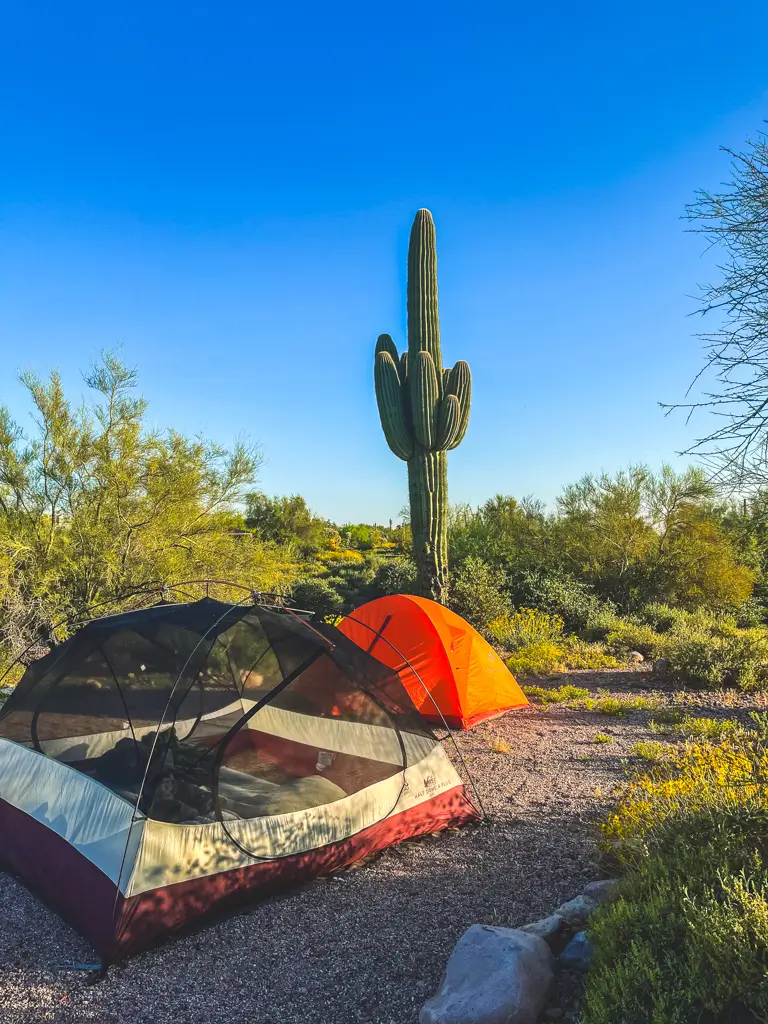
We’ve camped with our REI Half Dome tent since 2020, and it’s held up super well. It’s easy to set up and boasts a protective rainfly, which is great for the Pacific Northwest’s unpredictable weather. We’ve used this tent in over 10 states and it works great no matter the weather!
Plus, if you’re an REI Co-op member, you get a full year to return it, even used, if it doesn’t work out for you.
We pair it with these REI Trailmade 25 sleeping bags, which offer warmth, packability, and are lightweight.
We have excellent suggestions for where to camp in our Mount Rainier 2-Day itinerary or 3-Day Olympic National Park itinerary.
What to Pack for Seattle in Summer
Heading into the city is a bit different, as it’s more about comfort over necessity gear.
You also don’t need to lug everything, including meals, with you in the city, since you’ll be staying in a hotel or hostel in Seattle. Giving more flexibility, which makes the PNW packing list much shorter.
Footwear
- Comfortable waterproof walking shoes you can wear all day
Layers
- T-shirts, long sleeves, and a light sweater, so you can add or shed as temps change
- Pants (even if it’s warm, the wind or rain can make it chilly)
- Underwear
Outerwear
- A rain jacket or waterproof shell with a hood is your new best friend in the PNW
- Umbrella, this one is super lightweight, don’t get weighed down by long or clunky ones
Accessories
- Backpack or daypack for your camera, snacks, and a reusable water bottle
- Sunglasses and a hat (bright days do happen, even here)
- Portable charger for maps, tickets, and photos
- Camera
Essentials
Packing for Both in One Trip
Most PNW itineraries, such as our week-long Pacific Northwest road trip, mix hiking days with city days, so the smartest approach is a base layer system that works everywhere, with a few swap-in items depending on the day:
- Keep your waterproof shell, layering pieces, and daypack packed for both settings
- Add hiking boots, a headlamp, and bug spray on trail days
- Swap to your walking shoes and leave the trail gear behind for city days
- Keep the portable charger and offline maps in your bag, no matter what’s on the day’s itinerary
- Duffel/backpack—The Cotopaxi Allpa works as either a duffel or a backpack for city, roadtrips, and hikes
What to Wear in the Pacific Northwest: Our Go-Tos
Beyond the quick lists above, here’s a closer look at the specific gear we bring every time we visit.
These are the tried-and-tested products we’ve continually added to our packing list for the Pacific Northwest in summer, based on over 10 PNW trips.
Smart Wool base layers — Mostly for spring, fall, and winter trips. But, even in summer, mornings and evenings on the trail run chilly, though we’ve found a puffy alone is usually enough at that time of year.
Waterproof jacket — We’ve needed one every single time we’ve visited the PNW. Mornings often start sunny, but you never really know when it’ll turn. On a 2023 trip to Seattle, it rained for three straight days, and this jacket kept me completely dry. Just make sure whatever you pack has a hood.
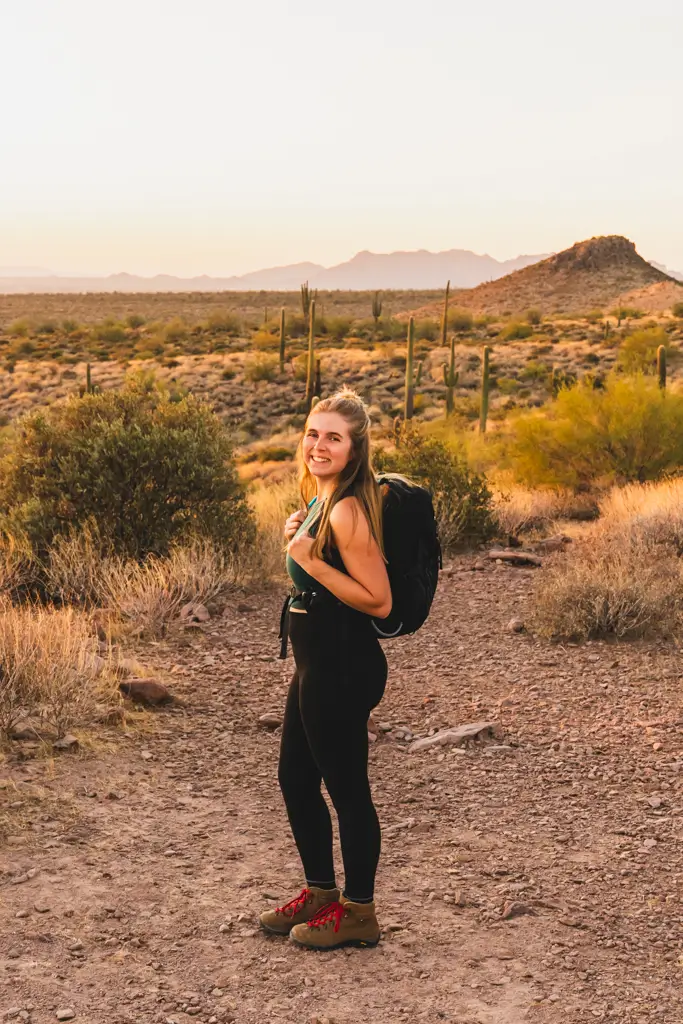
Sturdy hiking boots — We actually prefer non-waterproof boots, since they dry out faster if your feet do get wet. That said, the Hoka Kaha 3 GTX Hiking Boots held up fine through some serious puddles and kept our feet dry and comfortable. These same boots (in a different color) survived a 2-day backpacking trip up Volcán de Acatenango in Guatemala—if they can handle that, they handle the PNW. No matter what you pick, make sure they have solid ankle support.
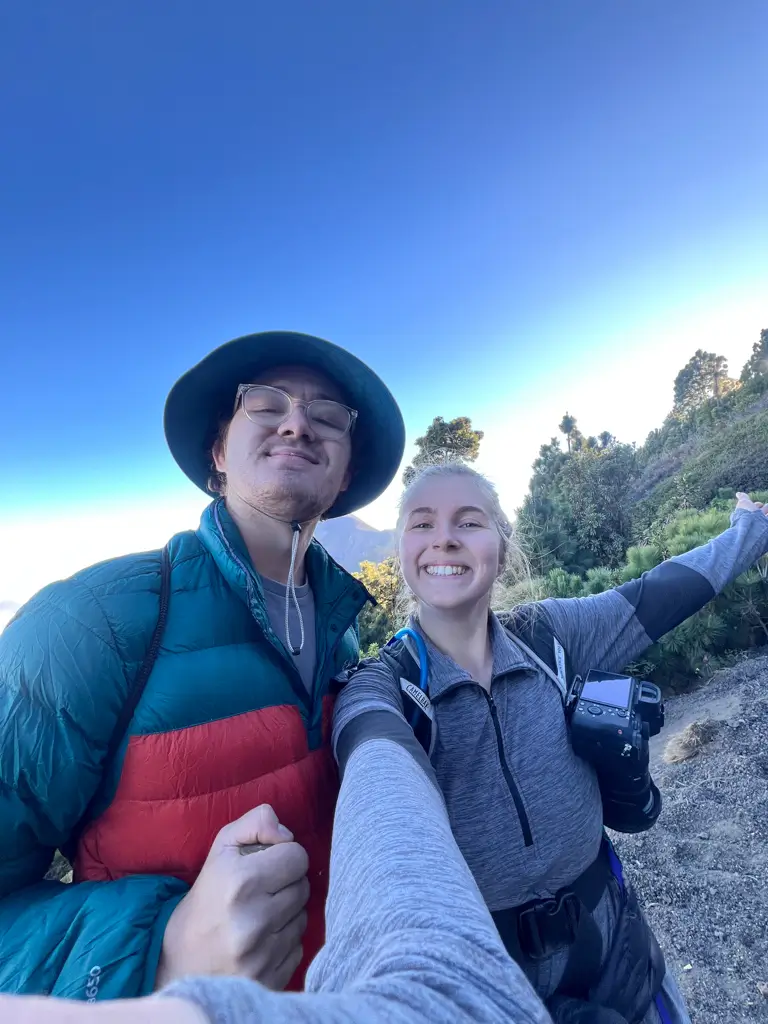
Osprey Raptor 10 Backpack — We switched to this after years with a Camelbak that never had room for anything besides water. But the Osprey fits a bladder, your rain jacket, and extra layers, making it a must-pack for PNW hiking. We’ve used this exact bag for three years across 48 states.
Waterproof backpack cover — Worth packing if hiking is on the itinerary at all, since you don’t know what the weather may have in store for you. Our favorite is the Osprey Ultralight Raincover as it fits perfectly over our Osprey backpack.
Trekking sandals or flip flops — We always wear Chacos when we’re swimming. We’ve had a couple of experiences in lakes and rivers where we cut a foot on broken glass. Unfortunately, that happened more than once (you’d think we’d learn), so now we never swim without them.
Swimsuit — I always wear this RELLECIGA one for the sun protection it offers. With long sleeves, it also doubles as a rash guard, which makes it great whether you’re surfing the waves at La Push or just don’t want to get burned at Lake Crescent.
Quick-dry towel — We’ve brought these to 25+ countries and all 48 states. Genuinely one of our most-used items. The 4Monster towels are super absorbent and come with a case and carabiner for easy packing.
Hiking pants — Sturdy pants that aren’t jeans or your regular use will hold up far better on the trail than what you wear at home. They also act as a layer of protection should you stumble and bump your knee or brush up against a plant. Leggings are also a good option, but don’t provide as much protection.
Tank top / long sleeve — Our go-to layering system in summer is a tank top, long sleeve, and a puffy, as it’s enough to keep you warm if it’s cold, but also easy to pare down if it warms up.
Wool socks — Always. They help prevent blisters, which matters more than people expect on longer trail days.
Beanie and gloves — Worth packing if you’re visiting in spring, summer, or fall (not just winter) as it’ll help you brave the chill.
Duffel/backpack — The Cotopaxi Allpa is our go-to for both city stays and camping trips, since it works as either a duffel or a backpack. We use the 35L version regularly, and the 28L version carried us through backpacking trips across 23 countries—it’s surprisingly spacious for its size.
Water bladder or reusable water bottle — We prefer a bladder in our backpack for hands-free drinking. We love the Hydro Flask 32 oz Water Bottle to keep fluids cold during long hikes!
Compact umbrella — More of a city tool than a trail one. We’ve carried this exact Seniny Store mini portable travel umbrella to 40+ countries and love that it fits in a fanny pack.
Sunglasses — The PNW is surprisingly bright even on rainy days.
Sunscreen — Regular sunscreen for the body, plus a powder sunscreen for reapplying to the scalp and face, which has been a genuine game-changer in our routine. Our go-to is the Hawaiian Tropic Mineral Powder Sunscreen Brush SPF 30.
Bug spray — We’ve used Murphy’s Naturals for three years and won’t be going back. The PNW has fewer mosquitoes than somewhere like North Carolina (where I grew up), but they’re still relentless without repellent on the trail. Their bite balm is worth packing, too, if you do get bitten.
Portable charger — Whether you’re headed to Seattle or one of the PNW’s National Parks, having your phone charged is essential as you’ll need it for maps and photos.
Camera — Don’t forget to bring it to capture your epic trip!
Peak Design camera clip — Instead of a camera strap, we highly recommend the Peak Design camera clip! It clips your camera right onto your bag near the shoulder for hands-free carrying. After using it across 40+ countries, we won’t go back to a regular strap.
First Aid Kit Essentials for Your PNW Packing List
A first aid kit made our Essentials list above, but a generic drugstore kit isn’t quite what we carry with us on the trail, as you never know what might happen!
We’ve needed almost everything in this kit at least once on a PNW trip and have refined this list over 30 hikes:
- A map of the area we’re hiking in
- A pocket knife or multitool
- Flint rod for fire starting
- Emergency blanket
- Emergency poncho
- Compass and whistle
- LifeStraw (a personal water filter)
- Band-aids, blister tape, and antiseptic wipes
- Ibuprofen
- A fork — it sounds strange, but if you’re hiking anywhere with cacti or sharp plants, a fork is a genuinely useful trick for pulling spines out of fingers without hurting yourself further
FAQs
What should I pack for a Pacific Northwest road trip in summer?
A waterproof jacket, layers, comfortable water-resistant shoes, a daypack, sunscreen, snacks, offline maps, and cash for small vendors are the essentials. Even in June, July, and August, the PNW’s weather changes quickly enough that layering matters more than any single item.
Is Pacific Northwest weather really that unpredictable, even in summer?
Yes. It’s common to experience sun, drizzle, and wind within the same summer day, and mountain areas like Mount Rainier and Olympic National Park can still see temperature swings of 30+ degrees between morning and night.
Do I need different gear for Mount Rainier vs. Olympic National Park?
Not really—the packing list barely changes between the two. Both call for a waterproof jacket, layers, sturdy, broken-in hiking boots, and offline maps, since cell service is unreliable at both parks.
What’s the difference between packing for PNW hiking and PNW city days?
Hiking days call for sturdy boots, a full layering system, a trail map, and more water, while city days work fine with waterproof walking shoes, a rain jacket, and a portable charger—the main overlap is your base layers and daypack.

One Comment